
.png?width=1600&height=747&name=AMEA%20Energy%20Campaign%20Graphics%20(3).png "AMEA Energy Campaign Graphics")


 Fragmented Regulatory VisibilityOperators spanning Australia's AESCSF-aligned CIRMP regime, Singapore's CCoP 2.0 OT addendum and India's draft CEA cybersecurity regulations are being asked to prove three different variations of OT maturity, often without a single centralised view of the assets each framework actually covers
 Legacy-Renewable Hybrid ExposureWith Indonesia still drawing roughly 60% of generation from coal while racing toward tens of gigawatts of new solar and wind, and Thailand restructuring its entire Power Development Plan around renewables, operators are defending two very different generations of technology inside the same perimeter
 Remote Site & IT-OT Threat ContainmentRansomware activity against energy and utilities operators rose an estimated 80% year-over-year in 2025, including a widely reported incident that took a Southeast Asian energy provider's control systems offline for 18 days – a reminder that containment at the OT boundary, not just detection, is what determines downtime
 Third-Party Integrator & OEM RiskA regional build-out of this scale runs on a dense, fast-moving supply chain of system integrators, EPC contractors and equipment OEMs – each one a potential entry point for the physical files and transient devices that routine commissioning and maintenance work requires
 Regulation vs. Insurance-Driven InvestmentAs Australia's ransomware payment reporting rules and India's incident reporting mandates come into force alongside tightening global cyber insurance underwriting standards, energy operators are being pulled toward OT investment by two different forces – and not always toward the same priorities
 Cross-Border Network Segmentation GapsThe ASEAN Power Grid has completed only 13 of a planned 27 cross-border interconnections, and each new link – backed by an estimated $800 billion in regional investment through 2045 – extends the OT network across a jurisdiction, a counterparty and a set of technical standards that didn't previously have to interact with each other
 Build One View Across Multiple Regulatory RegimesConsolidate OT asset visibility so a single framework doesn't have to be rebuilt for every market and every mandate
 Secure the Legacy-Renewable TransitionProtect aging, unpatchable generation assets while extending the same security posture to newly commissioned renewable and smart grid infrastructure
 Contain Risk at the Edge as the Grid Crosses BordersStrengthen detection and containment at remote sites and interconnection points without hindering the region's cross-border power trade ambitions
 DISCOVER
Gain visibility across OT assets, industrial networks and unmanaged devices – regardless of local regulatory regime ASSESSIdentify vulnerabilities, exposures and operational risks based on business impact across legacy and renewable environments alike
 PROTECTReduce cyber risk with
OT-native security controls designed to maintain operational continuity at every site
From Visibility to Enforcement: Why Detection Platforms Fail to Eliminate Cyber Risk
- Industrial Control Systems
- Ransomware Prevention
- Asset Vulnerability Management
- Threat Detection
- Cyber Risk Management
- Zero Disruption
The SOCI Act in Practice: What It Means for IT and OT Security
- Critical Infrastructure
- IT/OT Convergence
- SOCI Act
- Industrial Cybersecurity
- Compliance
- ICS/SCADA
OT Threat Landscape in Semiconductor Manufacturing: From Risk Awareness to Action
- Semiconductors
- Manufacturing
- Threat Awareness
- Cyber Resilience
- Ransomware
- SEMI E187
- Network Security
.png?width=640&height=360&name=Sennin%20and%20Virtual%20Portable%20Inspector%20Webinar%20Banner%20(1).png)
Practical OT Risk Reduction with Unified Security Governance and Remote Malware Inspection
- VSAR
- Malware Scanning
- Asset Inspection
- Risk Management
- Vulnerability Discovery
- Data Analysis
- Artificial Intelligence
Annual OT/ICS Cybersecurity Report: 2026 Edition
- Threat Research
- Operational Resilience
- Legacy Systems
- IT-OT Convergence

OT Cybersecurity: The Guide to Securing Industrial Systems
- OT vs IT Security
- Legacy System Protection
- Industrial Control Systems
- IT-OT Convergence
- OT Zero Trust

The ICS Security Playbook
- Industrial Control Systems
- HMIs
- SCADA
- Asset Inventory
- Remote Access
- Anomaly Detection
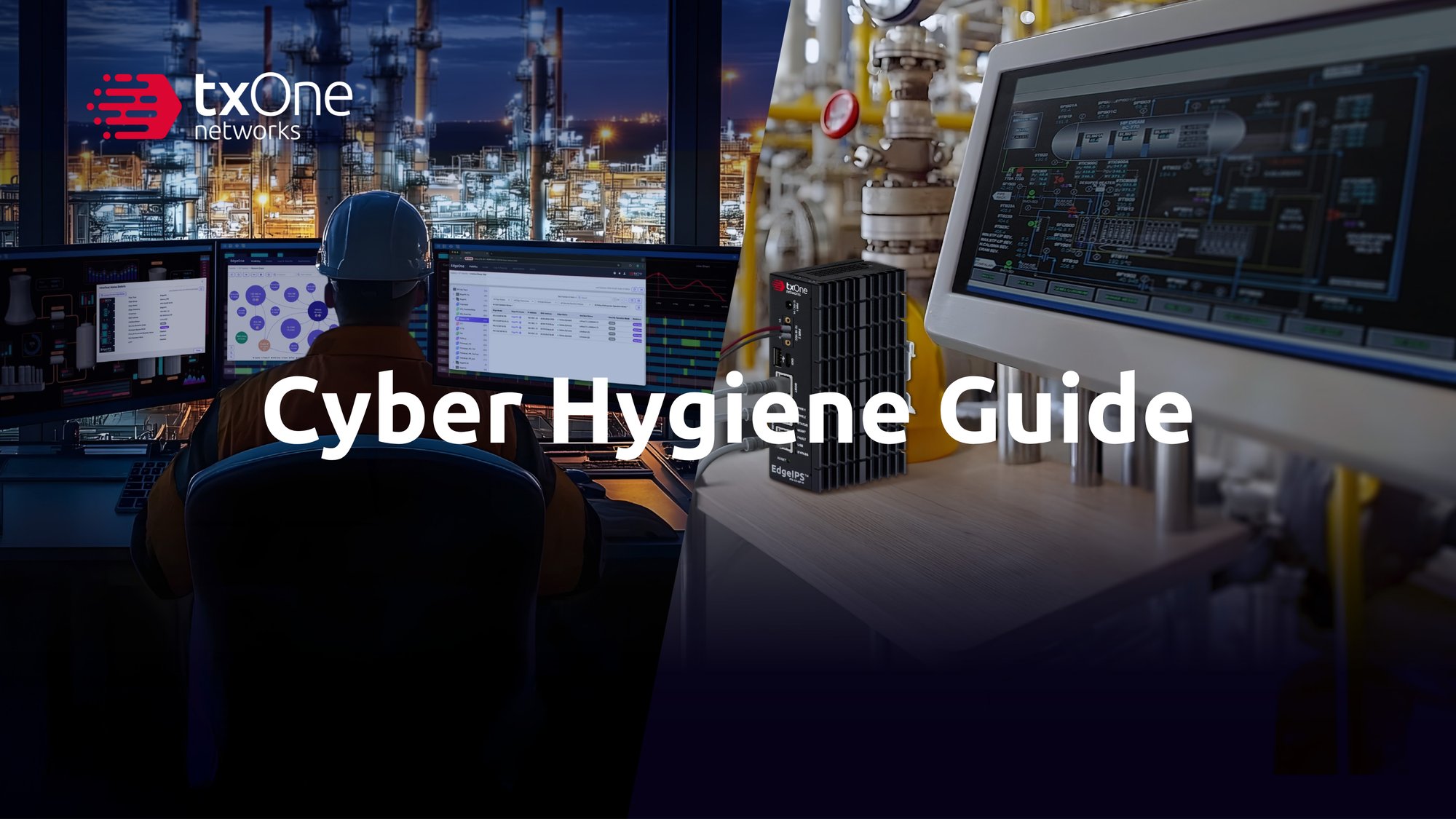
Cyber Hygiene Guide
- Security Fundamentals
- Vulnerability Mitigation
- Step-by-Step Security
- Risk-Based Prioritization
.png?width=1200&height=675&name=Resource%20Banners%20-%20Cyber%20Hygiene%20Guide%20%20(1).png)
Making Progress in OT Security
- Detection-to-Prevention Gap
- Operational Constraints
- Defensible Architecture
- SANS
- Network Segmentation
Safeguarding Production: OT Cybersecurity for Legacy and Transient Assets in Oil and Gas
- Oil & Gas
- Transient Device Risk
- IT-OT Convergence
- Ransomware
- ISA/IEC 62443
Oil and Gas: A Comprehensive Analysis of Offensives Against Perimeter Devices
- Nation-State Threat Actors
- Perimeter Device Exploitation
- Lateral Movement
- Critical Infrastructure Protection
- Network Segmentation

Supply Chain Cybersecurity: Vulnerabilities and Strategies
- Third-Party Vendor Management
- Defense-in-Depth Security
- NIST
- Endpoint Protection

Future Cybersecurity Threats in Ports: Protecting Global Trade from Rising Maritime Risks
- Maritime
- IT-OT Convergence
- Ransomware
- NIST CSF 2.0
- Zero Trust for Port Security
 Indonesia
July 22
CSID Summit 2026 is a premier event tailored for security professionals across various sectors in Indonesia. The summit serves as a pivotal platform for in-depth discussions, addressing challenges, and sharing the best practices in the rapidly evolving landscape of the security industry.
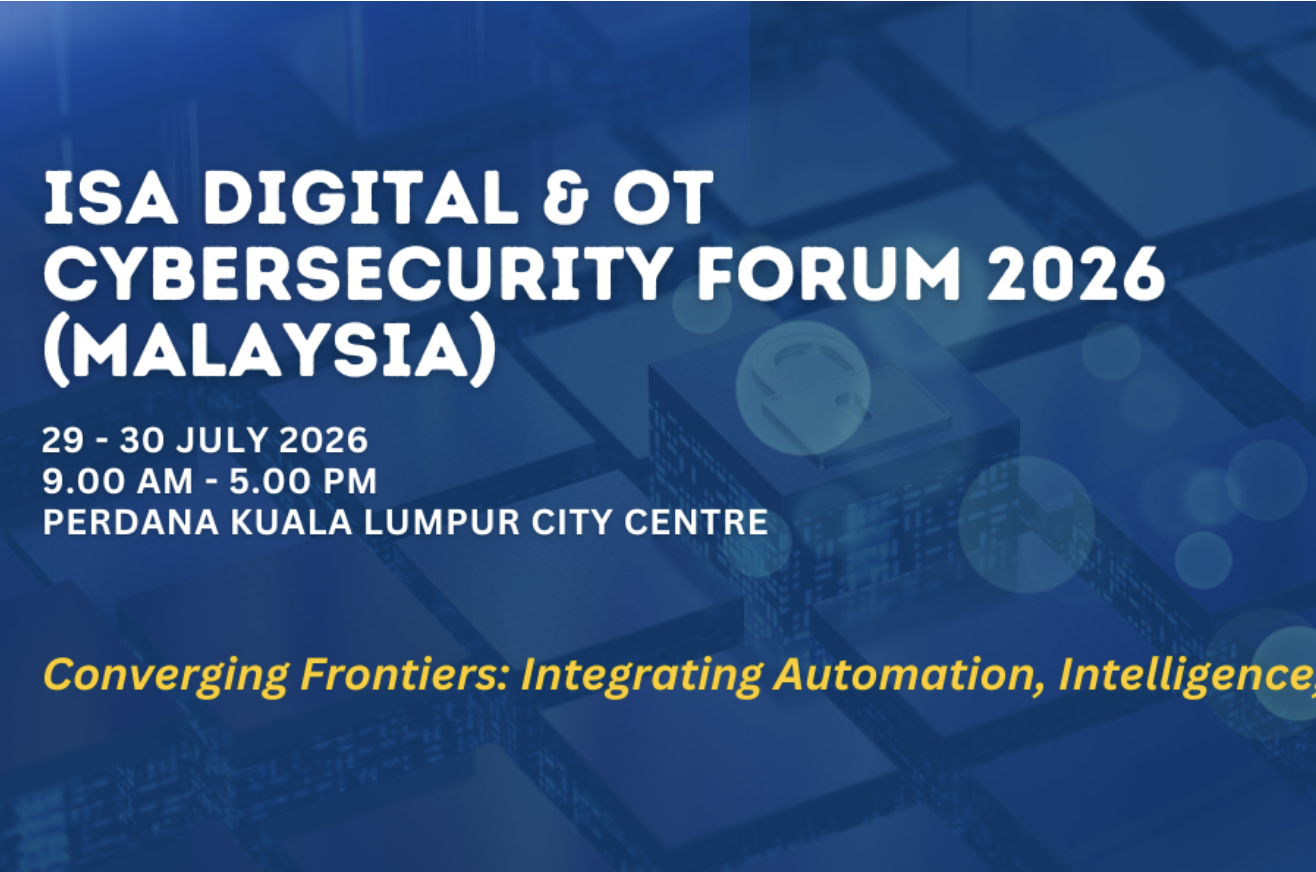 Malaysia
July 29 - 30
The ISA Malaysia Section is proud to present the ISA Digital & OT Cybersecurity Forum 2026 (Malaysia), a dedicated platform focused on advancing industrial cybersecurity and digital transformation across critical sectors.
 Singapore
October 13 - 15
GovWare is the region’s premier cybersecurity information and connectivity platform, bringing together policymakers, tech innovators, and end-users for over three decades to drive meaningful dialogue, strategic collaboration, and collective action across the cyber ecosystem.